
History
The Many Portraits of Betty Crocker
How a fictional homemaker became one of the most recognizable figures in American food culture.
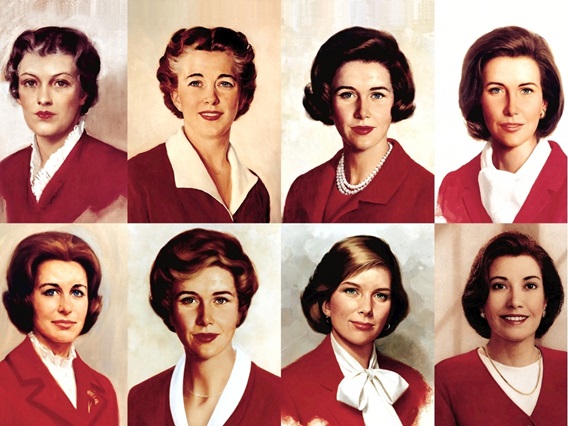
In honor of Women’s History Month, let’s take a look at one of the most influential women in American kitchens – even if she isn’t technically real.
For more than a century, Betty Crocker has served as the matriarch of General Mills, offering recipes, household guidance and reassurance to generations of home cooks. But her story begins not in a kitchen, but in a mailroom.
In 1921, Gold Medal Flour ran a puzzle advertisement in The Saturday Evening Post, inviting readers to mail in their completed puzzles for a free pincushion. What came back wasn’t just puzzle entries, but thousands of handwritten baking questions from home cooks seeking reliable advice. Faced with the need to respond personally and consistently, Washburn-Crosby, General Mills’ predecessor company, created a fictional yet approachable female persona to sign each reply.
They chose the name "Betty" for its warmth and friendliness, and "Crocker" in honor of a recently retired company director. What began as a practical signature to consumer correspondence quickly took on a life of its own.
Over time, Betty grew into something much more than a name on a letter – she became a trusted presence in American households. Over the decades, Betty’s look has evolved repeatedly, reflecting changing expectations of women, shifts in American culture and the many ways homemaking itself has been redefined.