History
As America Turns 250, General Mills Reflects on 160 Years of Shared Traditions and Milestones
From flour mills and our kitchens to family tables around the world.
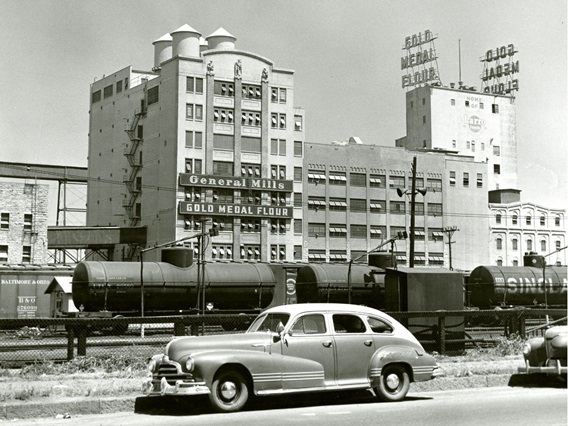
As the United States prepares to celebrate its 250th birthday, General Mills is marking its own 160th anniversary of evolving alongside families and communities.
Founded on the Minneapolis riverfront in 1866, the Washburn Crosby Company officially became General Mills in 1928 after merging with several regional millers, establishing one of the country's earliest food companies. Since then, General Mills’ history has been intertwined with America's, evolving through periods of industrial expansion, wartime resilience and cultural change.
Over the last 160 years, General Mills has introduced many of the country’s favorite foods by consistently adapting to consumer needs and tastes. Today, General Mills’ brands like Gold Medal, Betty Crocker, Cheerios, Pillsbury, Nature Valley and Old El Paso are found in more than 90% of households across the country.
Let’s take a look back at the milestones that got us here.
The same spirit of innovation that drives General Mills today can be traced back to its earliest days in the flour milling industry. Founder Cadwallader Washburn helped pioneer innovations that transformed modern milling, including revolutionary new safety systems and steel roller technology following a devastating mill explosion in 1878. Rather than patenting the improvements, Washburn made the technology available across the industry, helping improve safety standards in flour mills nationwide.